
Exploring the Multifaceted Role of Indoor Plants in Our Lives
By Henrik Lefebvre · · 4 min read
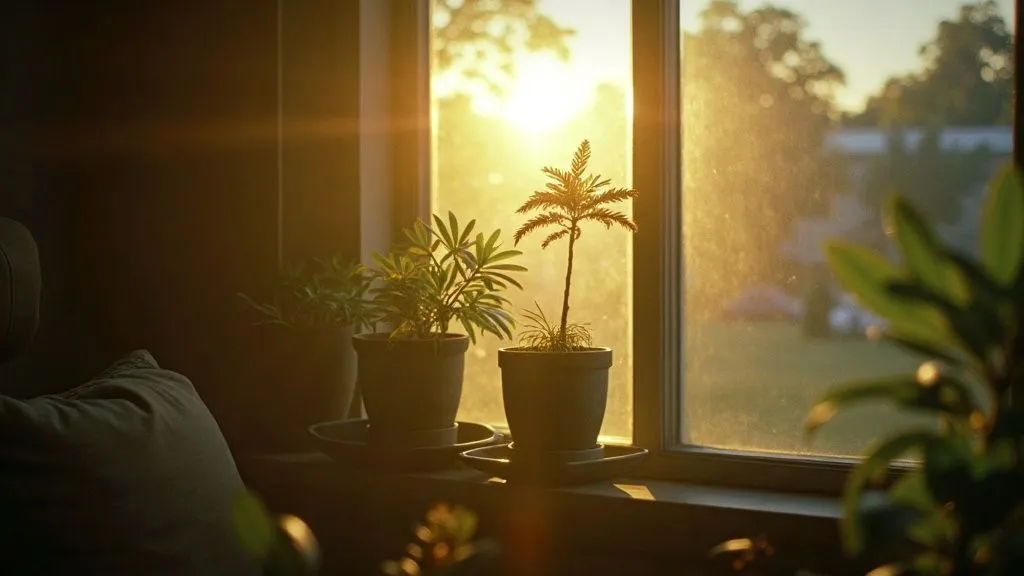
Indoor plants have gained immense popularity in recent years, transforming living and working spaces into vibrant oases. Beyond mere aesthetics, these green companions offer a host of benefits that enhance our well-being and improve the environment around us. In this article, we will delve into the various roles indoor plants play in our lives, their health benefits, and how to care for them effectively.
The Psychological Benefits of Indoor Plants
Research has shown that having indoor plants can positively impact our mental health. The presence of greenery has been linked to reduced stress levels, increased creativity, and improved mood.
Stress Reduction and Improved Concentration
Studies indicate that simply being around plants can lower cortisol levels, a hormone associated with stress. Additionally, the act of interacting with plants—whether through watering, pruning, or just enjoying their beauty—can serve as a form of mindfulness. This can lead to increased focus, making plants a valuable addition to offices and study spaces.
Enhancing Creativity
The calming effect of indoor plants can also stimulate creativity. By creating a more pleasant and relaxed environment, plants allow our minds to wander and think creatively. This is especially beneficial in spaces designed for brainstorming or artistic endeavors, where inspiration is key.
Health Benefits of Indoor Plants
Indoor plants do more than just look good; they play an essential role in improving our physical health as well.
Air Quality Improvement
One of the most well-documented benefits of indoor plants is their ability to purify the air. Plants absorb carbon dioxide and release oxygen during photosynthesis, which contributes to better air quality. Certain plants, such as peace lilies and spider plants, are particularly effective at removing toxins like formaldehyde and benzene from indoor environments.
Humidity Regulation
Plants naturally release moisture into the air through a process called transpiration. This can help maintain humidity levels, which is beneficial for respiratory health. Adequate humidity can prevent dry skin, irritation in the respiratory tract, and problems such as coughs or cold symptoms.
Noise Reduction
Interestingly, indoor plants can also help reduce noise levels. The leaves and stems of plants can absorb sound, making them an effective natural sound barrier. This can lead to a more serene atmosphere, particularly in urban environments where noise pollution is prevalent.
Choosing the Right Indoor Plants
Not all indoor plants are created equal. Some thrive in low-light conditions, while others require bright sunlight. Understanding the specific needs of different plants can help you make informed choices that suit your environment.
Low-Light Plants
If you’re working with limited sunlight, consider low-light plants like snake plants, pothos, or ZZ plants. These resilient species are easy to care for and can thrive in dimly lit spaces.
Bright Light Plants
For those with plenty of natural light, options such as succulents, cacti, or fiddle leaf figs are excellent choices. These plants not only require sunlight to flourish but also make a bold statement in any room.
Air-Purifying Plants
If your primary goal is to enhance air quality, look for plants known for their purifying properties. Some of the best air-purifying plants include:
- Peace Lily: Great for removing toxins and known for its beautiful white blooms.
- Spider Plant: Hardy and easy to care for, perfect for beginners.
- Boston Fern: Effective at increasing humidity and purifying air.
Caring for Indoor Plants
Taking care of indoor plants doesn’t have to be daunting. With a few key practices, you can ensure your green friends thrive.
Watering Techniques
Overwatering is a common mistake many plant owners make. Always check the soil moisture before watering. A general rule is to water when the top inch of soil feels dry. Different plants have varied needs, so research specific watering requirements for each type.
Fertilization
Indoor plants require nutrients to grow strong and healthy. Using a balanced fertilizer during the growing season can provide essential nutrients. However, be cautious not to over-fertilize, as this can harm the plant.
Pest Management
Pests can be a nuisance, but there are natural ways to manage them. Regularly inspect your plants for signs of pests, such as discolored leaves or a sticky residue. Neem oil and insecticidal soap are effective eco-friendly options for treatment.
Creating a Plant-Friendly Environment
To fully enjoy the benefits of indoor plants, consider creating an environment that supports their growth and enhances your space.
Grouping Plants
Grouping plants together can create a mini-ecosystem that fosters humidity and promotes growth. Additionally, it can create a visually appealing arrangement that serves as a focal point in your home or office.
Choosing the Right Containers
The right pots and containers not only improve aesthetics but also provide proper drainage. Ensure that your pots have drainage holes and consider using self-watering options for ease of care.
Conclusion
Indoor plants are more than just decorative items; they contribute significantly to our mental and physical health. From improving air quality to enhancing mood and productivity, the benefits of incorporating greenery into our spaces are profound. By selecting the right plants and providing proper care, we can cultivate a thriving indoor garden that enriches our lives. Whether you’re a seasoned plant enthusiast or just starting, there’s always room for more greenery in your world. Embrace the beauty and benefits of indoor plants, and enjoy the rejuvenating power they bring to your environment.