
The Joy of Exploring Various Types of Ramen: A Culinary Adventure Awaits
By Henrik Lefebvre · · 4 min read
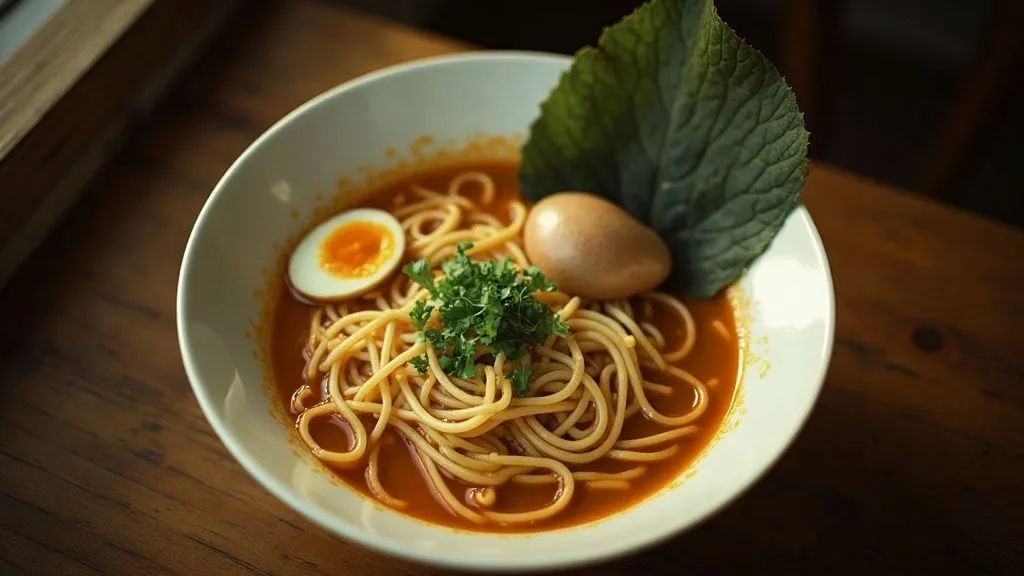
Ramen has transcended its status as mere fast food; it has grown to embody a rich cultural experience steeped in tradition and creativity. As enthusiasts around the globe dive deeper into the world of ramen, they discover that this popular noodle dish is not just a single flavor or style. Instead, it offers a plethora of variations that cater to diverse palates. In this article, we will explore the various types of ramen, delving into their unique characteristics, ingredients, and preparation methods, inviting you to embark on a flavorful journey.
A Brief History of Ramen
Ramen originated in China and was introduced to Japan in the late 19th or early 20th century. Over the years, it has evolved into a beloved comfort food, with regional variations that reflect local tastes and ingredients. Initially, ramen was a simple dish made with wheat noodles served in broth, but it has since become a complex and sophisticated meal.
As ramen gained popularity, chefs began experimenting with different broths, toppings, and noodle types. Today, ramen shops worldwide offer a range of styles, each with its own unique flair. Understanding these variations can enhance your appreciation of this iconic dish.
Exploring Different Types of Ramen
Ramen is typically categorized based on the type of broth, noodle texture, and toppings. Here’s a closer look at some popular ramen styles:
Shoyu Ramen
Shoyu ramen, or soy sauce ramen, is one of the most common types. It features a clear, brown broth flavored with soy sauce. The base broth is typically made from chicken, pork, or seafood, combined with vegetables like onions and garlic. The noodles used in shoyu ramen are usually slightly curly and have a firm texture.
Miso Ramen
Originating from Hokkaido, miso ramen includes a rich, creamy broth flavored with miso paste. This variation adds a depth of flavor and a slightly nutty taste. Miso ramen often features toppings like corn, butter, and bean sprouts, making it a hearty meal perfect for colder climates.
Shio Ramen
Shio ramen, or salt ramen, is known for its light and clear broth that highlights the natural flavors of the ingredients. The broth is typically made from chicken or seafood, seasoned with salt. Shio ramen is often garnished with green onions, seaweed, and a slice of chashu pork, making for a delicate and flavorful dish.
Tonkotsu Ramen
Tonkotsu ramen is a rich and hearty style characterized by its creamy, opaque broth made from pork bones that have been simmered for hours. This slow cooking process extracts collagen and fat, resulting in a velvety texture and deep flavor. Tonkotsu ramen is often paired with thin, straight noodles and garnished with toppings like sliced pork, green onions, and kikurage mushrooms.
Tsukemen
Tsukemen, or dipping noodles, offers a unique twist on traditional ramen. The noodles are served separately from the broth, allowing diners to dip the noodles into a concentrated, flavorful dipping sauce before taking a bite. This style is particularly popular due to its interactive dining experience and the ability to savor the various flavors in each component.
Mazesoba
Mazesoba, or mixed noodles, is a style that combines noodles, meat, and a variety of toppings in a bowl without broth. The dish is typically finished with a drizzle of sauce or sesame oil, providing a burst of flavor in every bite. The absence of broth allows diners to fully appreciate the texture of the noodles and the flavors of the ingredients.
The Importance of Noodles
Noodles play a crucial role in the overall ramen experience. Their texture, thickness, and shape can significantly impact the dish. Ramen noodles are typically made from wheat flour, water, salt, and kansui, an alkaline mineral water that gives the noodles their unique chewiness.
Types of Ramen Noodles
- Straight Noodles: Often found in shio and tonkotsu ramen, these noodles have a firm texture and hold up well in rich broths.
- Curly Noodles: Commonly used in shoyu ramen, curly noodles capture more broth, enhancing the flavor in each bite.
- Wider Noodles: Used in dishes like mazesoba, wider noodles provide a different mouthfeel and can better support heavier toppings.
Toppings: The Finishing Touch
Toppings elevate ramen from a simple noodle dish to a culinary masterpiece. While the options may vary depending on the style, some common toppings include:
- Chashu Pork: Tender, slow-braised pork belly that adds rich flavor and a melt-in-your-mouth texture.
- Menma: Fermented bamboo shoots that provide a crunchy contrast to the soft noodles.
- Nori: Seaweed sheets that add umami flavor and visual appeal.
- Soft-Boiled Egg: A creamy, runny yolk enhances the broth’s richness.
- Green Onions: Freshness to balance the dish’s heaviness.
Personalizing Your Ramen Experience
One of the joys of ramen is the opportunity to customize your bowl. Many ramen shops allow diners to choose their broth, noodle type, and toppings, creating a personalized experience. Don’t hesitate to explore and ask for recommendations from chefs; they are often eager to share their expertise and help you discover new flavor combinations.
Conclusion
Ramen is not just a dish; it’s a celebration of flavors, traditions, and culinary creativity. Whether you prefer the boldness of tonkotsu or the lightness of shio, each bowl tells a story influenced by regional ingredients and cultural practices. As you explore the various types of ramen, you’ll uncover the richness of this beloved dish, making each meal an adventure worth savoring. So grab some friends, visit your local ramen shop, and embark on your own flavorful journey!