
Exploring the Spiritual Significance of Embracing the Dark Night of the Soul
By Henrik Lefebvre · · 4 min read
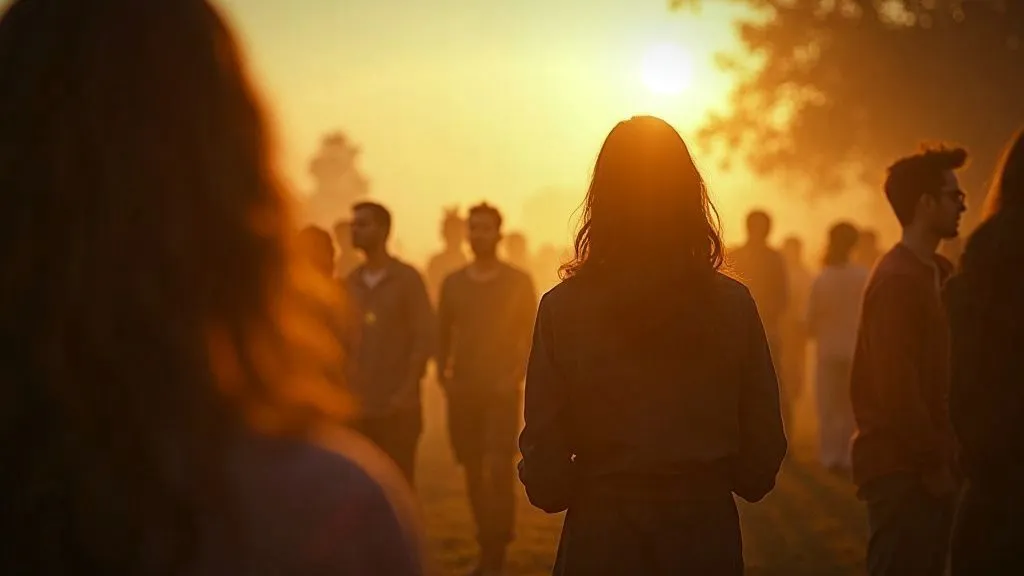
The concept of the “Dark Night of the Soul” conjures images of deep introspection, existential crisis, and soul-searching. It is a term often associated with spirituality and personal transformation. But what does it truly mean to go through such a phase, and how can we navigate this challenging yet potentially enlightening experience?
Understanding the Dark Night of the Soul
The term itself originates from the 16th-century Spanish mystic, Saint John of the Cross, who wrote a poem titled “La noche oscura del alma.” In this work, he describes the spiritual desolation and profound despair that can accompany a soul’s journey toward divine union. This state is not merely about dark thoughts or negative emotions; rather, it signifies a deep, transformative process that often involves a sense of abandonment and separation from one’s previous understanding of self and spirituality.
The Stages of the Dark Night
The experience of the Dark Night can be divided into several stages, which may not always occur in a linear fashion:
-
Awakening: This initial stage often involves a heightened awareness of life’s deeper questions. Individuals may feel a pull toward spiritual practices but lack clarity on their path.
-
Desolation: As one begins to let go of old beliefs and attachments, feelings of emptiness and despair may arise. This is the heart of the Dark Night, where one feels isolated from the divine and struggles with doubt.
-
Purification: During this phase, individuals confront their inner shadows. This process can be painful as it often involves facing fears, unresolved traumas, and limiting beliefs.
-
Illumination: After enduring the trials of purification, individuals may experience moments of clarity and insight. This newfound awareness can shift one’s understanding of self and spirituality.
-
Union: The final stage represents a harmonious connection with the divine, characterized by a deep sense of peace and acceptance.
Understanding these stages can provide a framework for those experiencing their own Dark Night of the Soul, offering hope that transformation is possible.
The Importance of Surrender
Surrender is a vital aspect of navigating the Dark Night of the Soul. It involves letting go of the need for control and embracing vulnerability. Many people resist this process, fearing the unknown. However, surrendering can facilitate healing and lead to profound breakthroughs.
Embracing Vulnerability
Allowing yourself to feel the weight of your emotions—whether sadness, anger, or confusion—is crucial. It’s essential to recognize that vulnerability is not a weakness; rather, it is a gateway to deeper self-awareness and authenticity.
Engaging in practices such as journaling, meditation, or therapy can help create a safe space to explore these feelings. By acknowledging and processing your emotions, you can begin to understand the lessons the Dark Night presents.
Spiritual Practices to Navigate the Dark Night
While the experience of the Dark Night can feel isolating, certain spiritual practices can offer guidance and support. Here are some effective methods:
Meditation and Mindfulness
Meditation encourages present-moment awareness, helping you observe thoughts and feelings without judgment. Mindfulness can reduce anxiety and create a sense of grounding during turbulent times.
Breathwork
Breathwork techniques can help release trapped emotions and facilitate emotional healing. Deep, intentional breathing promotes relaxation and can shift your mental state from one of despair to one of clarity and calmness.
Nature Connection
Spending time in nature can be profoundly restorative. The natural world offers a reminder of life’s cycles, encouraging acceptance of both light and dark aspects of existence. Take walks, observe the changing seasons, or simply sit in silence outdoors to reconnect with the Earth.
Creative Expression
Artistic endeavors—such as painting, writing, or music—can be powerful outlets for processing emotions. Engaging in creative activities allows you to express what may be difficult to articulate verbally, fostering healing and self-discovery.
Community Support
Connecting with others who share similar experiences can provide immense comfort. Consider joining a support group or seeking out spiritual communities where you can share your journey and receive encouragement from those who understand the process.
Recognizing the Gifts Within the Dark Night
Although the Dark Night of the Soul can feel overwhelmingly challenging, it holds invaluable gifts for those willing to embrace the journey.
Strengthening Resilience
Enduring hardship cultivates resilience. Every trial faced during this period can foster a stronger sense of self and greater spiritual fortitude.
Deepening Spiritual Insight
As the layers of one’s old self are shed, deeper spiritual truths can emerge. The insights gained during this transformative period often lead to a more authentic and fulfilling spiritual path.
Enhanced Empathy and Compassion
Going through the Dark Night can enhance your capacity for empathy and compassion. As you learn to navigate your pain, you become more attuned to the struggles of others, fostering deeper connections and a desire to support those in need.
Conclusion: Embracing the Journey
The Dark Night of the Soul is an arduous yet profoundly transformative experience. It challenges our perceptions of self, spirituality, and the universe. By embracing the journey with surrender, engaging in spiritual practices, and recognizing the gifts within the struggle, individuals can emerge from this period with renewed clarity and purpose.
Remember, you are not alone on this path. The darkness may feel isolating, but it is often in the depths that the most significant growth occurs. Embrace the journey, and trust that the light will return in due time.